
006 PAUL ZITZER
on skateboarding, identity, and finding your place over time
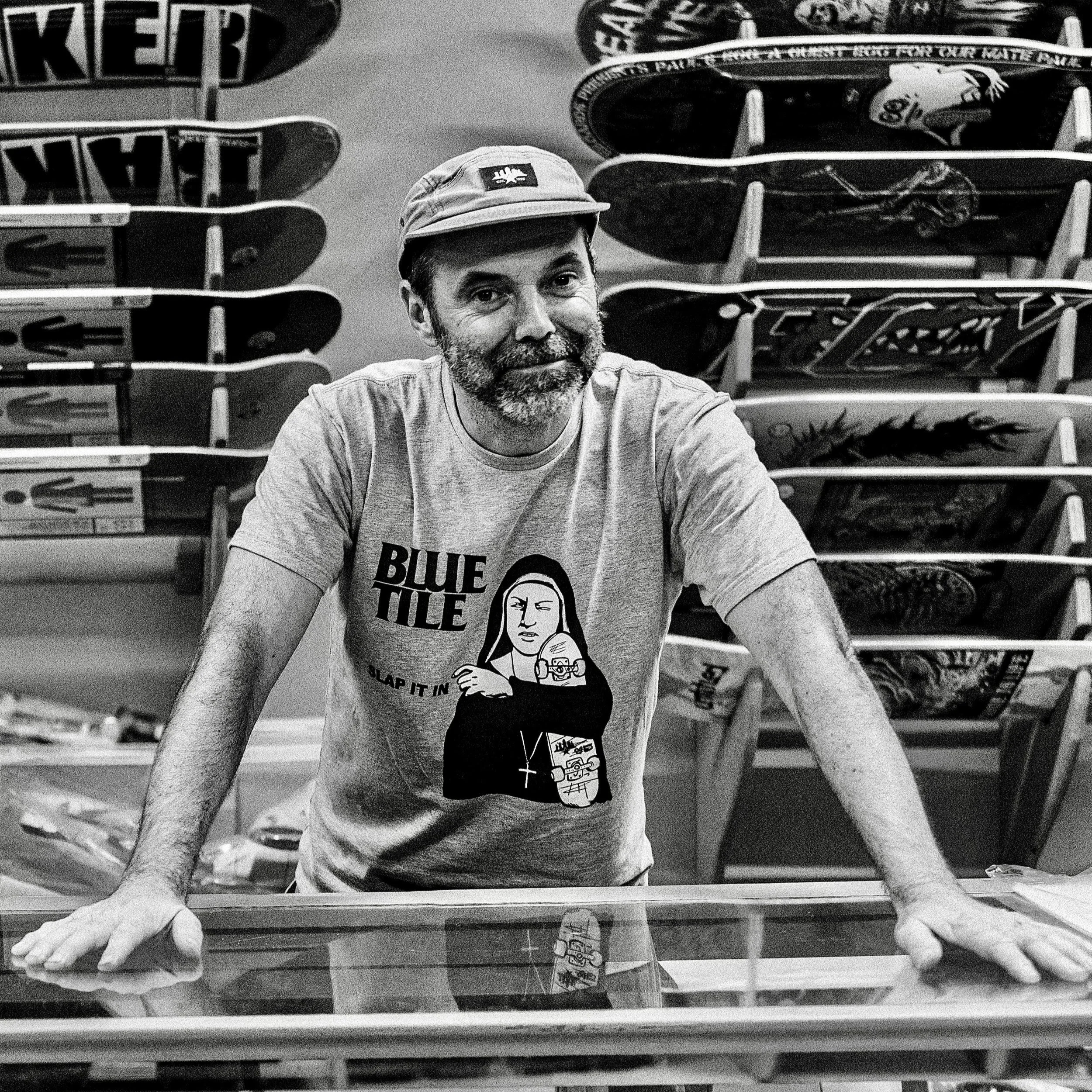
PHOTO: SHAIL
From vert ramps to the Olympics, from Birdhouse to Sprak Skatepark, Paul Zitzer has spent decades finding new ways to stay connected to skateboarding and proving that the dream rarely looks the way you imagined it would.
For Paul, skateboarding was never just one thing.
It was a four-inch-wide Kmart board in Milwaukee. It was seeing Vans for the first time after moving to Phoenix. It was a kid skating past his house in full pads with a copy of TransWorld Skateboarding in his pocket. It was vert ramps, street spots, sponsor-me tapes, skate shop counters, demo tours, contest floors, television broadcasts, and eventually, an indoor skatepark in Louisville called Sprak Skatepark.
His path through skateboarding never fit neatly into one lane, which is probably what makes it interesting. Paul was a professional skateboarder in the 90s, part of the New Deal era, later connected to Birdhouse, and one of the rare skaters who moved between street and vert when most people were expected to choose a side. Years later, he became one of the most recognizable voices in contest skateboarding, announcing everything from Street League to Tampa Pro to the Olympics.
But the more we talked, the less the story felt like it was about a list of accomplishments. It became more about what it means to keep finding your place in skateboarding as your role changes.
Paul’s first memories of skating go back almost as far as his memories of being a person.
“One of my first memories as a human was riding a skateboard.”
At first, it was just something he did with his older brother. Then, after moving from Milwaukee to Phoenix in 1980, he started seeing a version of skateboarding that felt different. Kids were wearing Vans. They had real pro model skateboards. It looked like a whole world.
A few years later, back in Milwaukee, everything clicked. A kid named Dave skated in front of Paul’s house wearing full pads and carrying a copy of TransWorld. The cover had Mike McGill doing the McTwist at Del Mar plastered across the front.
“That was it,” Paul said. “I pretty much became a skateboarder right then.”
From there, skateboarding became the center of everything. His family eventually opened a skate shop, which started as a skate, BMX, and snowboard shop before slowly becoming more focused on skating. At one point, his family was running five shops around the Milwaukee area. His brother still owns and runs the family shop, Phase II, over 40 years later.
That early shop experience gave Paul a front-row seat to skateboarding as a culture, but he was still chasing the dream from the other side. While his family built something stable around skateboarding, Paul moved toward the much less stable version: trying to become a professional skateboarder.
And that part, he says, was not as different from today as people might think.
“Just a little more analog.”
Instead of DMing a team manager, he mailed sponsor-me tapes. Instead of sending an Instagram link, he sent a VHS. Contests mattered, but only sometimes. Just like now, they could build a career, help a career, or have no real impact at all.
In that era, skateboarding moved slower. Information came through magazines, videos, shops, and word of mouth. If you wanted to know what was happening in skateboarding in 1996, Paul said, you could pull out a stack of TransWorld and Thrasher magazines and get a pretty clear picture.
Now, that feels almost impossible.
“Algorithms control skateboarding way more than any skateboarding brand”
That shift came up a lot in our conversation. Not in a bitter “everything was better back then” way, but in a way that felt honest. Paul understands that every generation romanticizes its own version of skateboarding. He also knows there were plenty of things about the past that were worse.
For example, fixing a spot.
Today, if a ledge needs Bondo, people bring Bondo. If a rail has knobs, somebody might show up and cut them off. If a spot needs work, people make it skateable.
Back then, that was not really the mindset.
“You were a kook if you fixed a spot. It wasn’t a skatepark… figure it out or don’t skate it!”
There was also more risk. Getting kicked out, chased off, ticketed, or even arrested was part of street skating in a way that feels less common now. Paul remembers being handcuffed and put in the back of a cop car in downtown Tampa while skating with Mike Sinclair and Kenny Hughes. It was hot, cramped, and claustrophobic. It was not fun, but it was part of the environment skating existed in.
That tension made street skating feel different. It was not just about landing the trick. It was about whether you could even get the trick before somebody stopped you.
Still, Paul never saw himself as only a street skater.
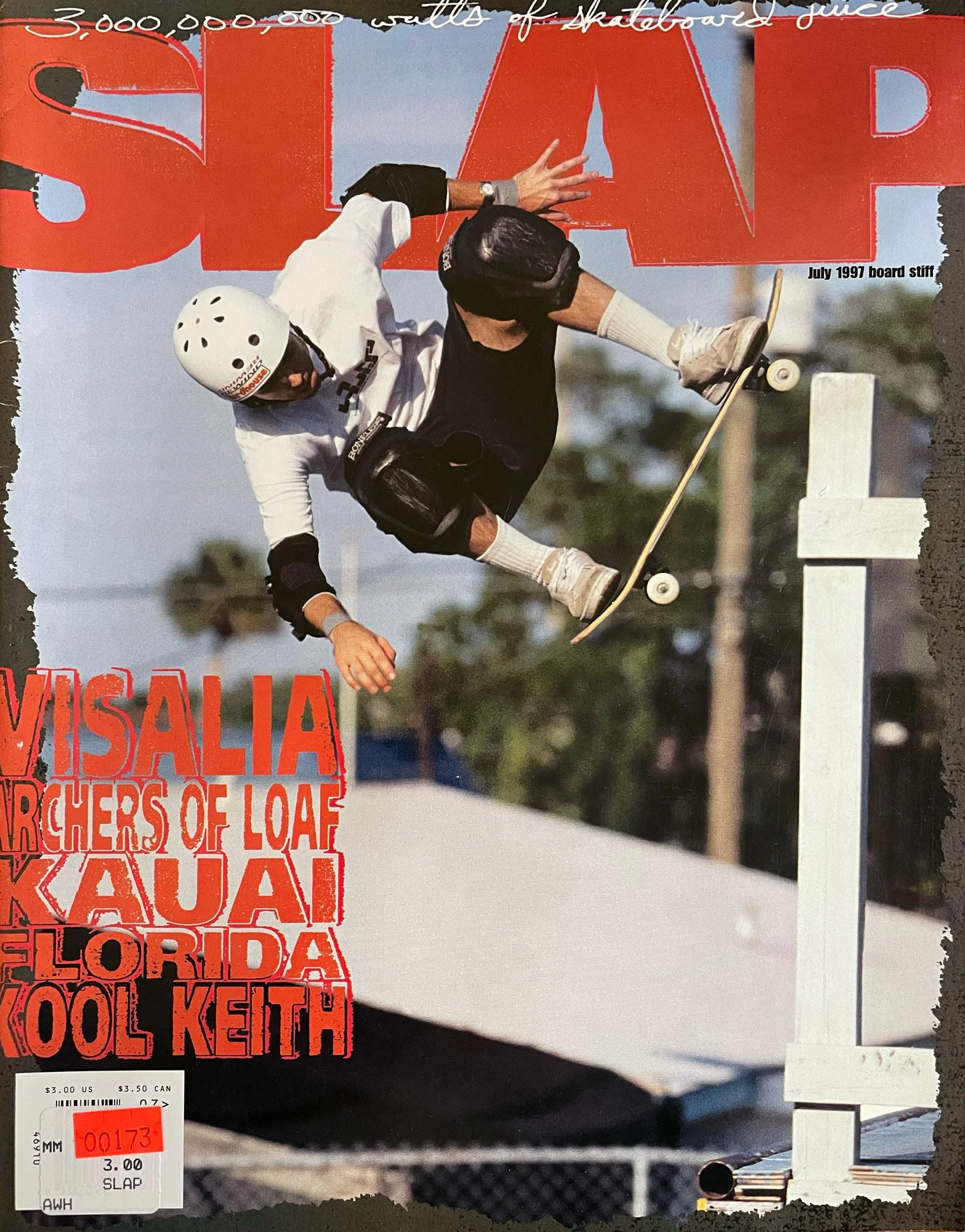
PHOTO: SLAP
That might be one of the most interesting parts of his story. In the 90s, skaters were usually street or vert. Paul did both. Vert came first, mostly because that was what skateboarding looked like when he got hooked. The magazines were full of pools, bowls, and ramps. Later, as skateparks closed and vert ramps disappeared, street skating took over.
Paul adapted, but he never fully left vert behind.
“There was never a time where I wasn’t skating everything,” he said.
He knew vert was not always the marketable choice. He knew people wondered why he was “wasting” time on it. But that never really changed his approach.
“Are we skating because we love it, or are we skating to make money?” he said. “I skate what I want to skate, because I love it, and let the chips fall where they may.”
That line might be the whole interview.
Paul’s pro career had its moments. His first major breakout came with New Deal’s Useless Wooden Toys. He rode for Entity, a board company connected to Gullwing Trucks. Then came Birdhouse, almost by accident.
Mike Frazier was leaving Birdhouse and called Tony Hawk from the payphone at Skatepark of Tampa. According to Paul’s memory, Frazier told Tony that if he needed another vert guy, Paul was available. Then he handed Paul the phone.
“Hello?”
“Hey, it’s Tony.”
Paul started getting boards shortly after.
Birdhouse gave him a board quickly, but the timing was strange. Tony had briefly “retired,” then came back. Then Bucky Lasek joined the team. Paul suddenly felt like the backup vert skater on a team that already had Tony Hawk and Bucky Lasek.
He eventually got let go, but he does not tell that story with bitterness.
“There’s no guarantees in skateboarding,” he said.
That became another major thread. Paul is direct about the business side of skating. If a company no longer sees value in a rider, he does not pretend loyalty always wins. It might hurt, but he understands it.
“Nobody deserves anything other than what people want to give them.”
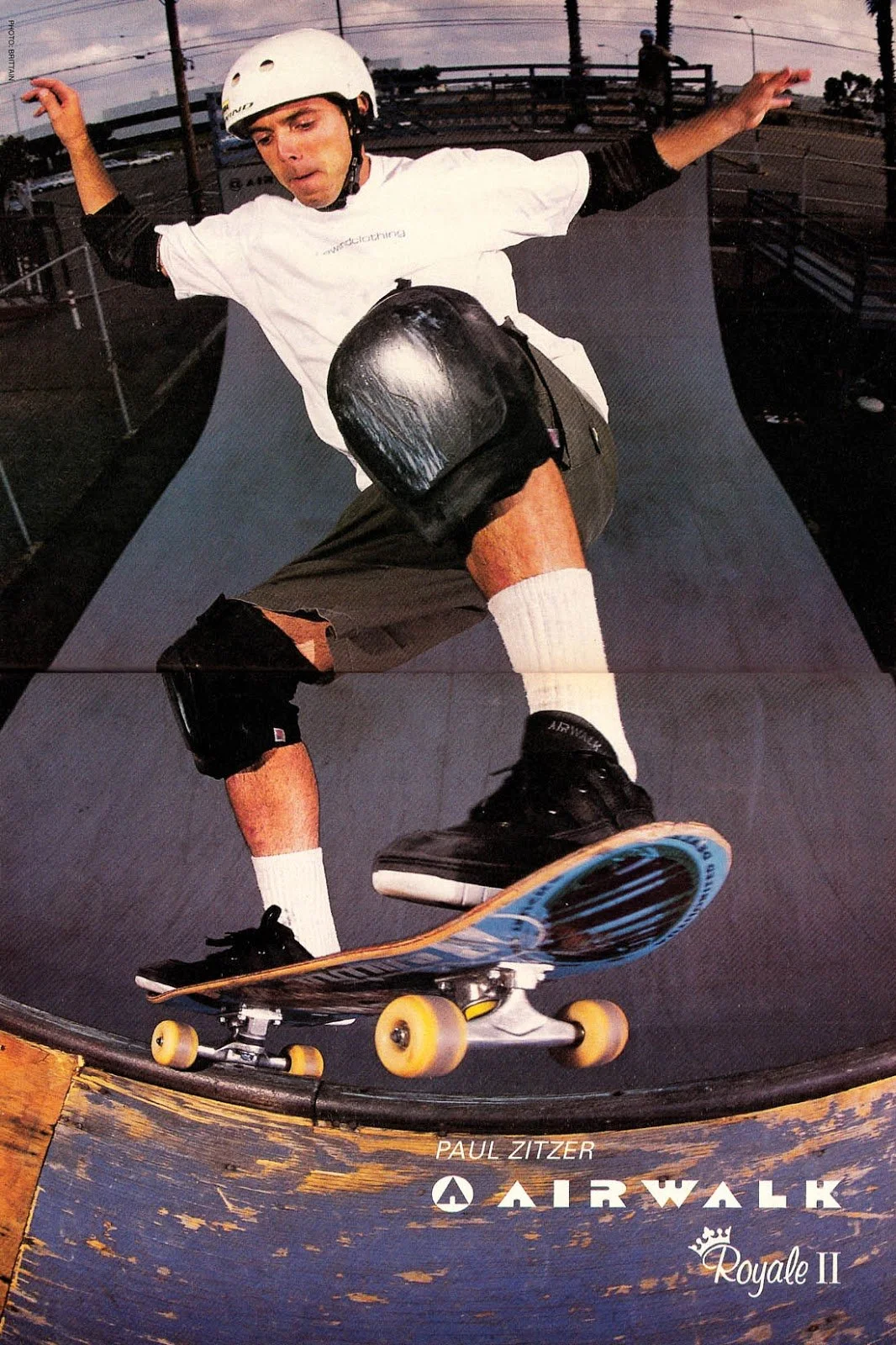
PHOTO: AIRWALK
Being pro was not the dream people imagine from the outside. Paul traveled, skated, toured, and lived a life most kids would have wanted. But it also came with pressure, insecurity, money struggles, missed opportunities, and the constant feeling that your skating was under a microscope.
He never had a major Birdhouse video part. He had parts in projects like 411 and Airwalk videos, but not the defining brand video part he wanted at the time. That still bothered him.
From the outside, being pro looks like the finish line. For Paul, it often felt like trying to keep up with something that was always moving away from him.
“When I retired, I started having so much more fun immediately,” he said.
That does not mean he regrets it. He is grateful for all of it – the travel, the demos, the contests, the friendships, and the experiences. But being done with the pressure gave him skateboarding back in a different way.
“If they get anything from skating, it’s a blessing,” he said.
That perspective eventually carried into announcing, though that career also started almost by accident.
At a Dew Tour contest, NBC had two BMX announcers covering skateboarding and realized it might help to have an actual skateboarder involved. Neil Hendrix was asked first, but he had made the finals and needed to skate. Paul was nearby.
“He looks over and I’m standing there,” Paul said. “He’s like, ‘Zitzer could probably do it.’”
That was it.
Twenty years later, Paul has announced some of the biggest skateboarding events in the world, including the Olympics. But he does not talk about announcing like someone trying to take over the show. He talks about it like another form of storytelling.
His job, as he sees it, is to add context. To know the skaters, their histories, their contest results, their injuries, their patterns, and what a moment might mean beyond the trick happening right then.
“I’m just there to try to further the story and make the contest better,” he said.
He pays attention to details casual viewers might not know but that help make the contest matter. Who has won Tampa Am? Who has never made a final? Who is capable of winning at sixty percent? Who needs the best skating of their life just to make the cut?
That is where announcing becomes craft. Not yelling. Not forcing personality. Not making the contest about the person holding the microphone.
“If I’m doing a good job, you’re just going to be hearing these things,” he said.
After all those years in skateboarding, Sprak Skatepark feels like the next version of Paul’s story.
He has lived in Louisville for years, though people still assume he lives in Tampa. Every time he left Tampa after visiting Skatepark of Tampa, he thought about how much he wished Louisville had something like it. Not just an outdoor public park, but an indoor space with a shop, music, events, ramps, and a reason for people to gather.
When the long-running indoor park in Louisville closed after COVID, that became the opening.
“The city needs it.”
Sprak Skatepark is not easy. Paul is clear about that. Every day brings something that needs attention. There are events to plan, ramps to maintain, kids to teach, a shop to run, brands to work with, and bills to pay.
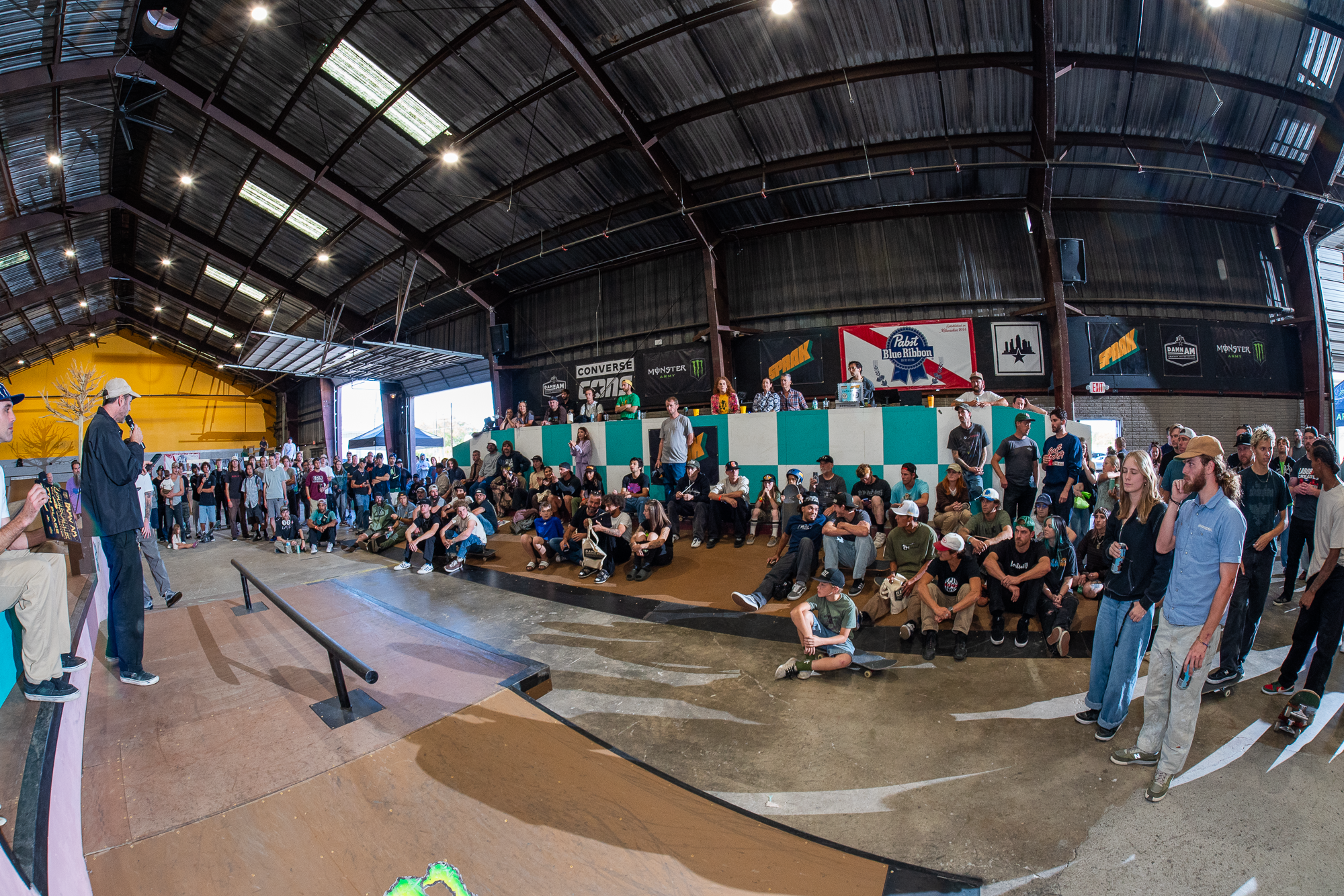
PHOTO: SHAIL
But people are showing up.
Kids are skating. Bands are playing. Skaters are driving in from Cincinnati, Nashville, St. Louis, Chicago, Indianapolis, and beyond.
In a time when so much of skateboarding lives online, Sprak feels like Paul’s answer to all of it.
Show up. Skate in the same room. Hear the music. Watch someone do the trick in front of you. Know that it is real.
That might be why Paul’s story feels so connected, even though it has moved through so many different eras. The kid in Milwaukee, the pro skater, the vert guy, the announcer, the park owner, they are all different versions of the same thing.
Paul Zitzer is still showing up.
And maybe that is the part that matters most.
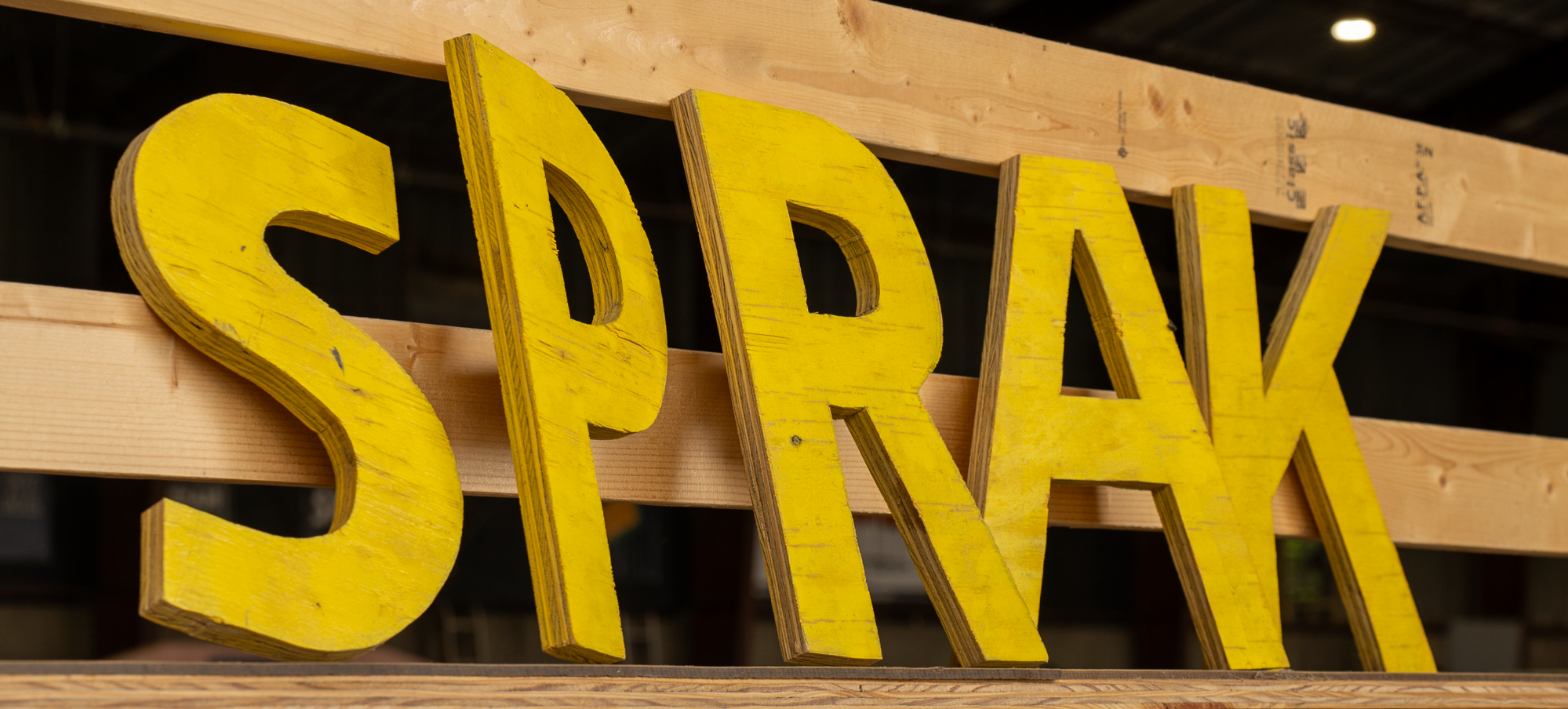
PHOTO: SHAIL
PAULS’ TOP 5 THINGS THAT GET HIM HYPED
Drinking coffee
Landing a new trick.
Getting a clip
Surviving a close call.
Rewatching the Big Lebowski