
002 GUSTAVO COOPER
on Filmmaking, Experience, and Finding Your Voice
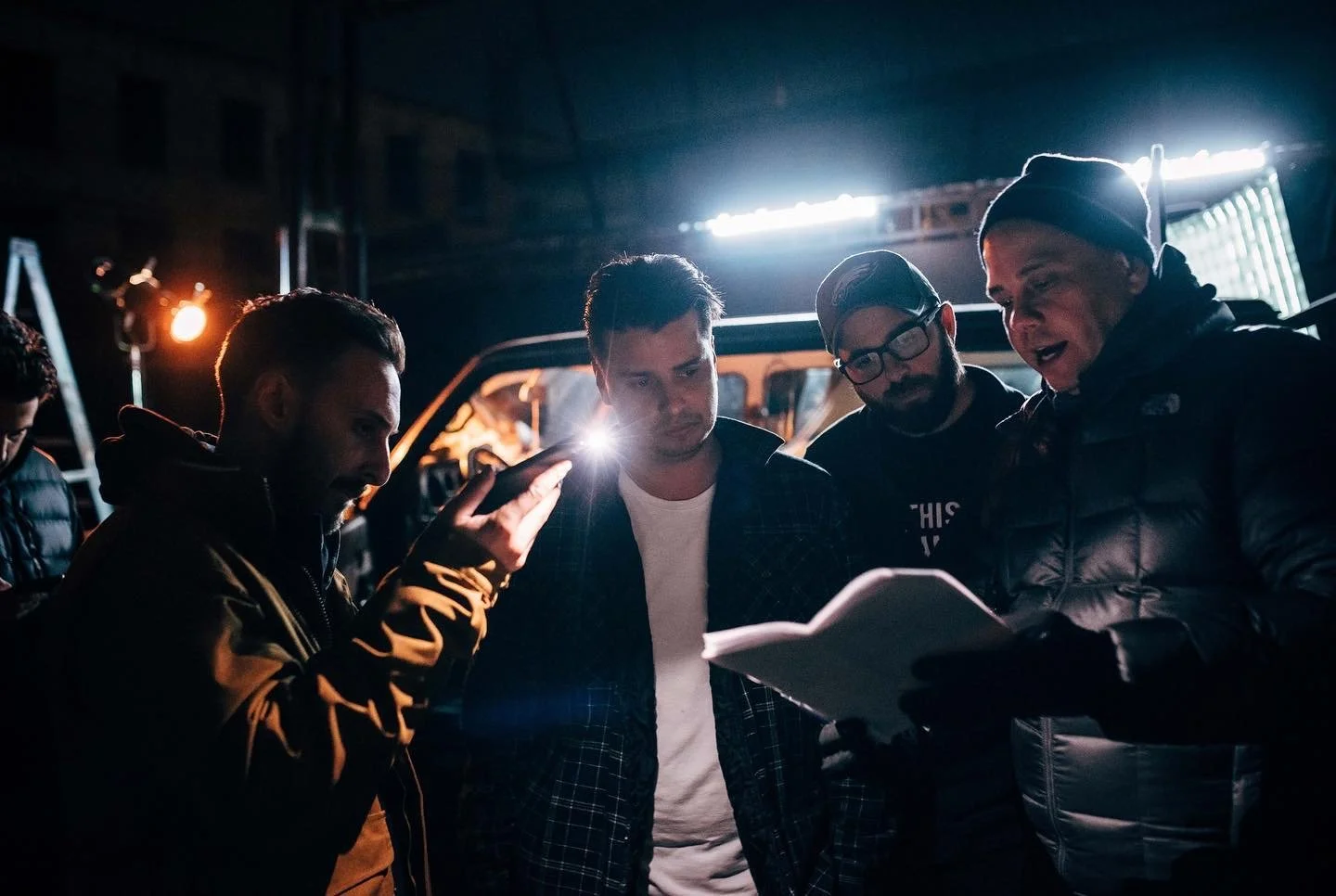
PHOTO: GUSTAVO COOPER
Gustavo Cooper talks about filmmaking the way a lot of people who grew up around skateboarding talk about skating. It’s something that became part of how he sees the world. His entry point wasn’t film school or some planned-out path into directing. It started the way it does for a lot of people. Filming friends, putting together edits, making sponsor-me tapes, messing around with cameras just to see what you could make.
At first it was just fun. That feeling when something finally works after trying it over and over. The same kind of satisfaction you get from skating a spot until it clicks. For Cooper, that never really went away. It just started to mean more over time.
What began as wanting to make things eventually turned into wanting to say something.
“I realized I have a story. I have a voice,” he said. “I have a way to communicate my thoughts and ideas and feelings with it.”
Early on, the goal was just to keep creating. Music videos, commercial work, short films, features, anything that let him keep moving forward. But the more projects he made, the more the focus changed. It stopped being about scale and started being about whether the work actually felt honest. Less about how something looks, more about whether it comes from somewhere real.
At one point in our conversation he compared filmmaking to the way a comedian tells a joke. Anyone can repeat the words, but not everyone can land it in a way that makes people feel something. The difference is voice, timing, and perspective. It’s the part you can’t fake, even if everything else looks right.
That mindset shows up in the way he talks about writing too. For him, ideas don’t come fully formed. Usually it starts with a fragment. An image, a strange thought, something that sticks in his head without him knowing why. Sometimes it comes from dreams, sometimes from real life, sometimes from something he can’t explain yet.
From there the process is just asking questions until the story starts to make sense.
He will throw an idea to his co-writer, go back and forth, test it, and see if there is actually something there. Not just a plot, but something that means something to them. If it does not connect, they move on. If it does, they keep digging until it feels solid enough to build on.
“It has to be something that really stands out to you,” he said. “You can’t talk about something you know nothing about.”
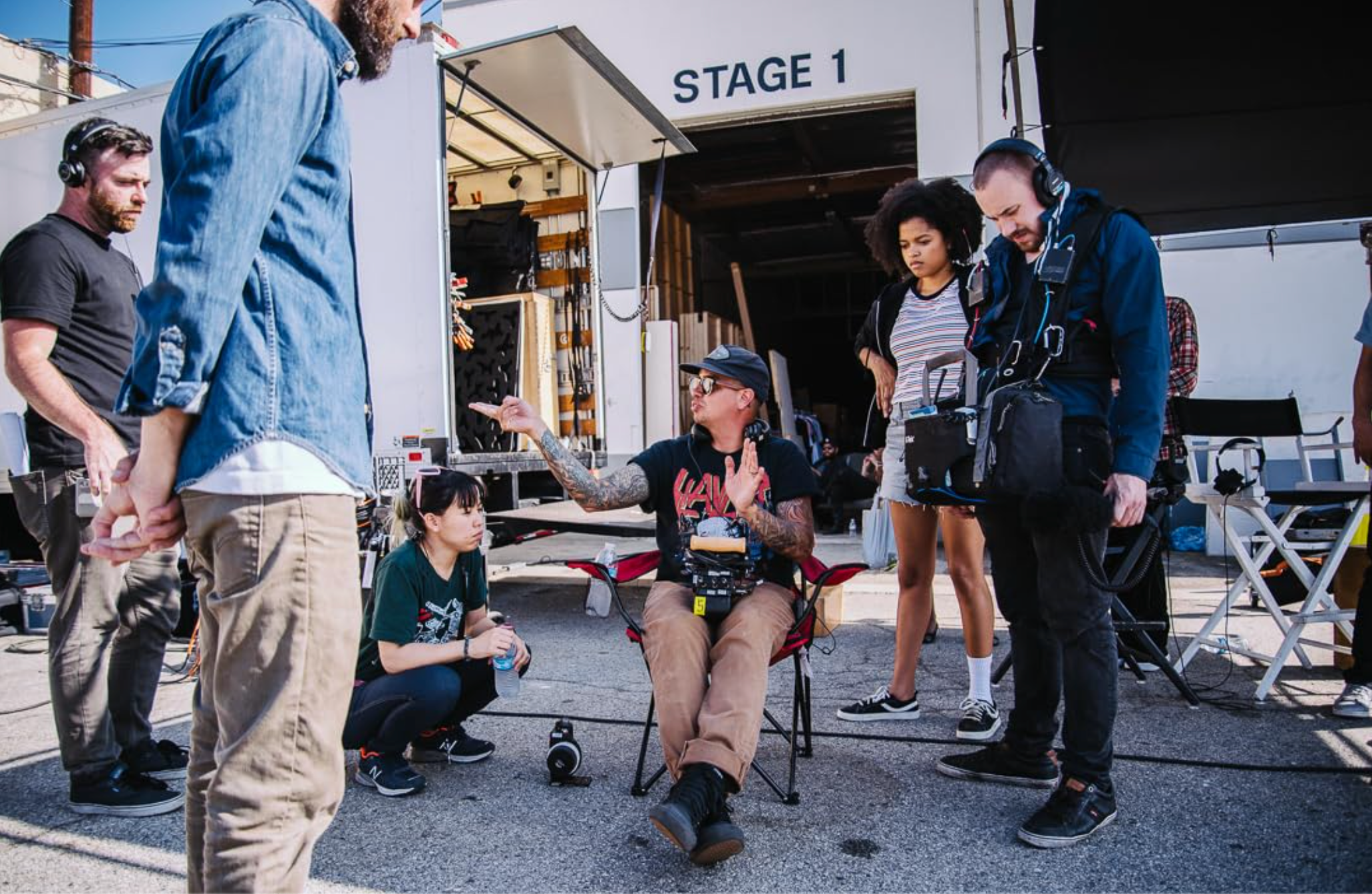
PHOTO: GUSTAVO COOPER
That might be the biggest change in how he approaches filmmaking now. The technical side matters, but it is not the point. You can have the best camera, the cleanest image, all the resources in the world, but if the story is not coming from somewhere honest, people can tell.
And the older he has gotten, the more that honesty comes from experience.
He talked about how the stories he is drawn to now are shaped by things he has actually lived through. Loss, family, relationships, mortality, the kind of things that start to hit differently the older you get. Not in a forced way, and not like every film has to be autobiographical, but in the sense that you need to understand what you are talking about if you want it to feel true.
“There’s conversations I couldn’t have had fifteen years ago,” he said. “I just didn’t have the life experience yet.”
That perspective shows up in the themes he keeps coming back to. Illness, grief, pressure, the way people change when real life starts closing in. He talked about stories influenced by his childhood, by the passing of his mother, by things that stayed with him whether he wanted them to or not. Even when those experiences are not directly on screen, they still shape the way the story is told.
For him, that is the difference between something that works and something that does not.
“You see it all the time,” he said. “When somebody’s talking about something they don’t actually understand, you can feel it.”
A lot of that mindset goes back to skateboarding.
Filming skating was the entry point, but it also changed the way he looks at everything. When you skate, you start seeing spots differently. Angles differently. Space differently. You are always asking what is possible, what does not work, what happens if you try something another way.
Writing a film feels similar.
You keep asking questions. Why would this person do that. Does that make sense. Does that feel real. You keep adjusting until it lines up.
And just like skating, most of the time you are failing.
Projects fall apart. Money disappears. Plans do not work. You get told no over and over again. The only way through it is the same way you learned skating. Get up, try again, figure out another line.
“There’s been so many times where something falls apart,” he said. “And it’s just like, alright… what else are we gonna do? Sit here? You just try another way.”
Even the way he likes to work fits that mindset. He told me he cannot write in coffee shops or busy places. Too much noise, too many distractions. If he had it his way, he would be somewhere quiet, completely shut off.
“In my perfect world, I’d be sitting in the woods with a chair and my computer,” he said. “Just listening to music and working.”
For all the talk around filmmaking, budgets, gear, industry stuff, he keeps coming back to the same thing. Point of view. Not trying to be different just to be different, but understanding that your voice is already different if you actually know what you are saying.
You cannot fake experience. You cannot fake perspective. And you definitely cannot fake emotion.
He talked about imposter syndrome like it is just part of the process. Something you carry for a long time until one day you realize you have been doing the work long enough that maybe you belong there after all. Not because somebody told you, but because you kept going.
For Gustavo Cooper, filmmaking is about making something that feels real. Something you can stand behind.
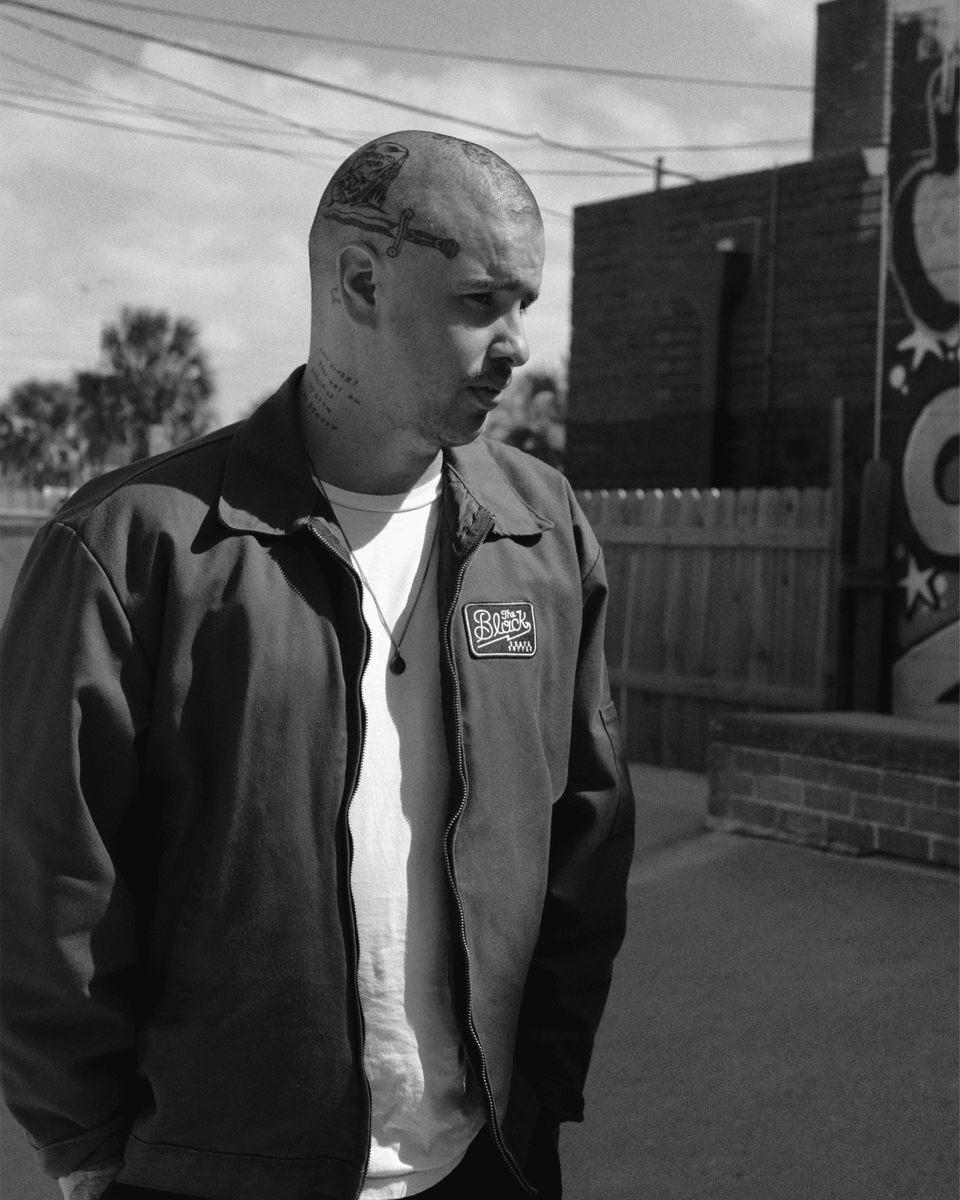
PHOTO: STEVENS
Gustavo’s Top 5
Green Room [film 2015]
hot chocolate
my girls
Project Pat
black beans and rice